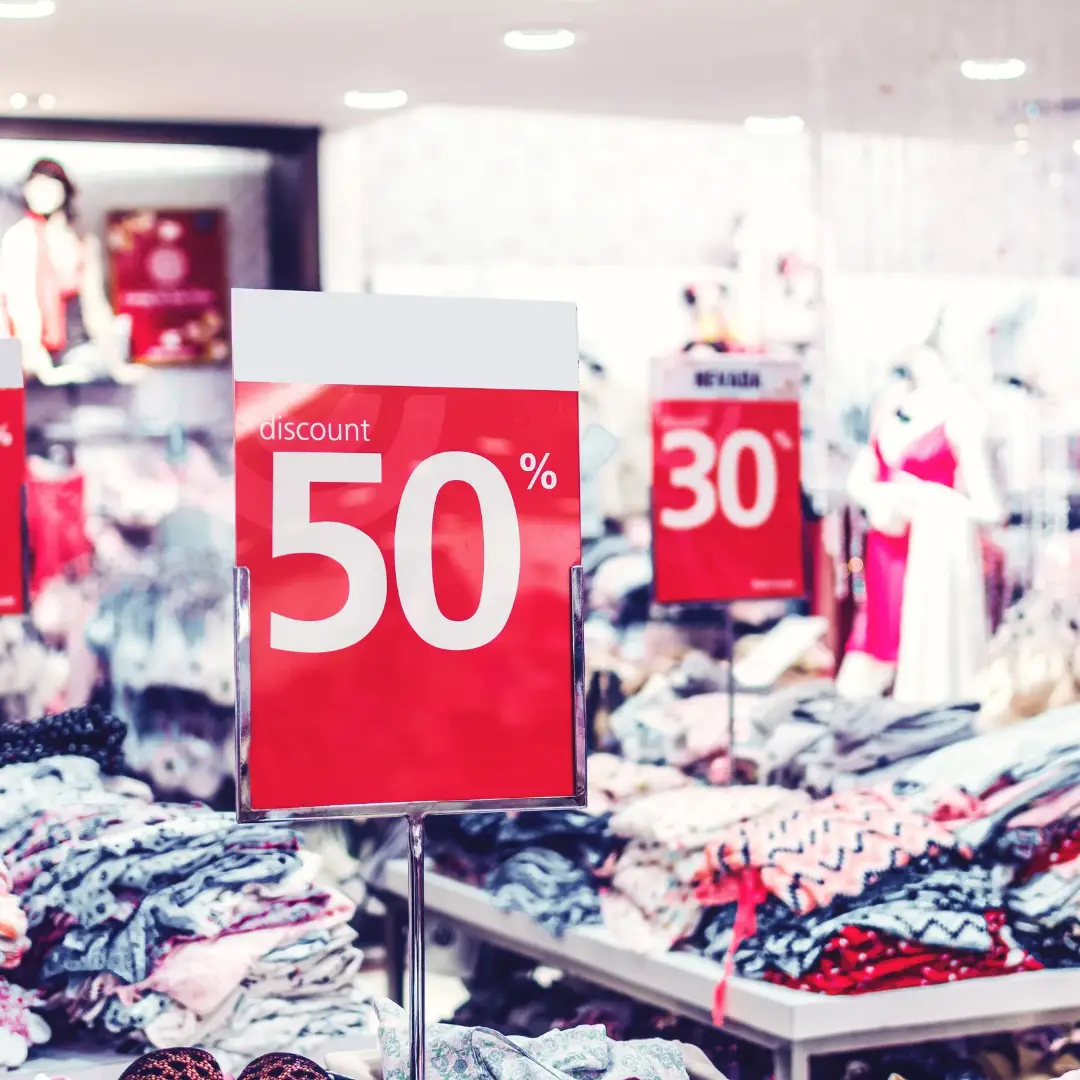
The countdown to Black Friday is on (and the promotional emails are here to prove it). Wishlists are growing, carts are filling, and shoppers are waiting for the right moment to hit checkout.
The stakes are high. The National Retail Federation (NRF) forecasts holiday retail sales will reach $1.013 trillion in 2026, up 4.2% from last year. Google shared research with our team that indicates 71% of holiday shopping has yet to take place, with a third of consumers still waiting to make their first purchase.
But waiting doesn’t mean shoppers aren’t paying attention. They’re researching products, comparing prices, and using AI to assess their options. Some are waiting for discounts, while others are ready to splurge.
With the biggest shopping weekend of the year approaching, here’s what the latest consumer trends reveal about who’s ready to buy, what’s directing their decisions, and how brands can make the most of the weeks ahead.
Shoppers Are Browsing, Not Buying
The holiday shopping cart is becoming more of a wishlist than a place to make a purchase.
According to Google’s holiday research, 74% of purchases are researched beforehand, and 47% of shoppers spend at least a week considering what to buy.
For some, the cart itself has become a planning tool. A quarter of shoppers are using carts as watchlists, waiting for lower prices (33%), better shipping or return options (28%), or simply more time to decide (27%).
The research doesn’t stop at social media. According to Google’s Global Consumer Journeys research, 81% of shoppers use Google Search to validate products they discover on social platforms, giving them another opportunity to compare brands before buying.
For marketers, staying visible throughout this waiting period is critical. Accurate product information, strong reviews, search visibility, and timely retargeting can help keep brands in consideration when shoppers are ready to check out.
The Price Has to Be Right, But So Does the Product
Why are shoppers waiting so long to make a purchase? Part of the answer may lie in the rise of the valuemaxxer, a consumer determined to get the most out of every dollar. Mastercard research also shared by Google shows these shoppers define value through higher-than-expected quality (50%), longer-lasting products (42%), and extra loyalty rewards (33%), not just the lowest price.
Consider Trader Joe’s viral $2.99 mini tote bags. The simple canvas bags became must-have accessories, proving that affordability and cultural relevance can go a long way. Meanwhile, Google’s November 3rd Merchant Center data shows the New Balance 9060 climbing product rankings despite its $203.50 listed price.
Others are trading down. Mastercard’s consumer research also shows private-label products gaining share in electronics (+13% YoY) and apparel (+5% YoY). Shoppers are choosing where to save and where to splurge.
With Black Friday approaching, brands have a narrowing window to prove their worth. That means communicating quality, durability, exclusivity, and added benefits rather than relying on discounts alone.
The Final Purchase Is Still Up for Grabs
Even shoppers who think they know what they want can change their minds before checkout. According to PYMNTS, 83% of consumers who used AI to research retail products reported changing at least one aspect of their purchase decision, including price, brand, product, or retailer.
Beyond AI, Google’s Global Consumer Journeys research found that 81% of shoppers validate products discovered on social media through Search, with two-thirds ultimately purchasing a different brand. Google’s late-October Retail Omnibus research also found that first-time brand purchases doubled from 5% to 10% across the measured period.
With Black Friday approaching, those decisions carry even more weight. Bain projects spending over Black Friday and Cyber Monday will increase 8.8% YoY, while Google/Numerator’s In-Season Holiday Tracker reports that only 10% of shoppers plan to skip major holiday sales, down from 25% in 2025.
For marketers, there’s still an opportunity to win over undecided shoppers. Accurate product information, strong search visibility, and clear differentiation can help brands stand out as consumers make their final comparisons.
Know Your Consumer, Then Build Your Business Around Them
Black Friday is almost here, and shoppers are getting ready to spend. They’ve done their research, weighed their options, and waited for the right moment to buy.
For brands, the priority now is turning that interest into sales. Focus on high-intent shoppers, reinforce what makes your products worth buying, and make the path to purchase as simple as possible.
The clock is ticking, and there’s still plenty of holiday spending up for grabs.